Willow Farms

A meaningful next step toward adult life.

Discover strengths. Practice independence. Prepare for what comes next.

Willow Farms logo

What comes after school? For many families, that question brings both hope and uncertainty.

Willow Farms provides a supported bridge between school and adult life for students diagnosed with autism or related developmental differences. Our transition-focused educational program gives students additional time and opportunities to develop practical skills, explore their interests, and prepare for adult services and settings.

In our farm environment, learning has a visible purpose. Students prepare food, care for animals, tend gardens, do laundry, and help maintain their surroundings—building skills they can use beyond the program.

A dedicated transition team also helps families explore adult placement options and plan the move into the next stage.

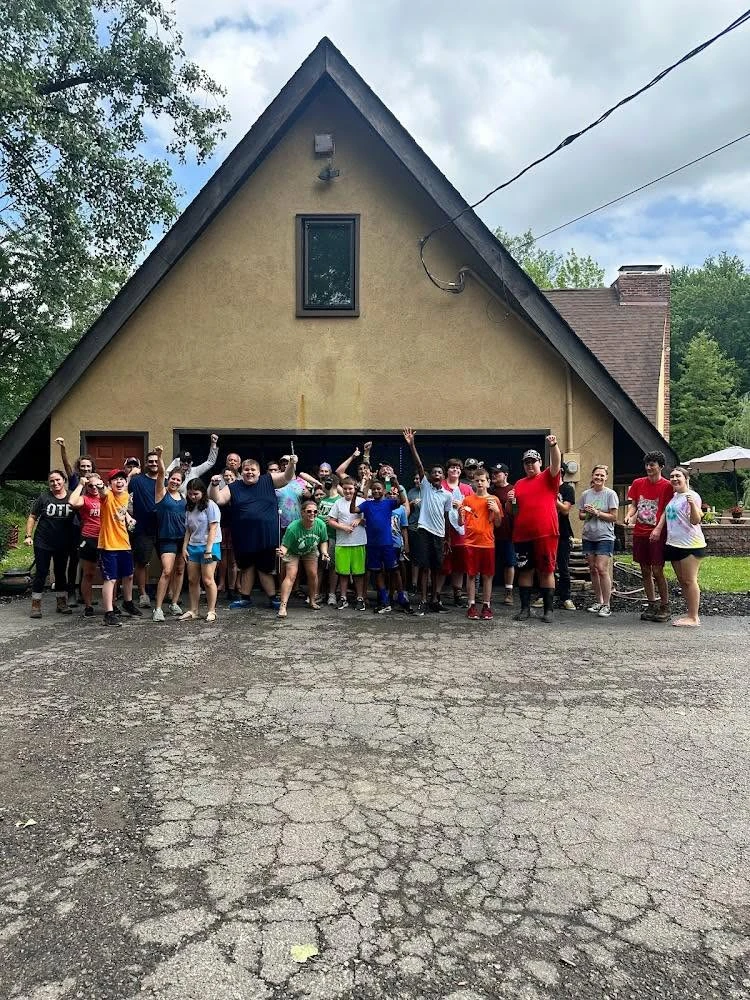
Learning on the farm

Beyond the classroom. Toward greater independence.

Some students benefit from additional preparation between their school years and an adult setting—a “13th-year-style” experience focused on applying skills in practical situations.

At Willow Farms, functional academics, independent living, and adaptive vocational learning shape the day. Reading can help a student follow a recipe. Math can help them measure ingredients or plan a purchase. Communication can help them request a tool, ask for assistance, or work alongside someone else.

Activities reflect each student’s strengths, interests, support needs, and educational and transition goals. Progress may involve completing a task with less assistance, using an accommodation, or learning when and how to ask for support.

Real responsibilities. Skills for everyday life.

Culinary arts and food preparation

Preparing a meal creates opportunities to plan, follow directions, measure, use tools safely, and care for a shared space.

Students connect practical reading and math with food preparation, teamwork, and cleanup—skills they can use at home and in future settings.

Daily living and caring for your environment

Students practice everyday responsibilities such as doing laundry, cleaning up after themselves, organizing belongings, and maintaining clean, welcoming spaces.

These activities build skills in following directions, sequencing tasks, using supplies safely, and completing routines. With individualized support, students learn to take greater responsibility for their surroundings and contribute at home and in future adult settings.

Animal care

Animals depend on consistent care. Students participate in supported routines that develop responsibility, attention, communication, and follow-through.

Caring for animals gives students a meaningful role while they practice task completion and safe work habits.

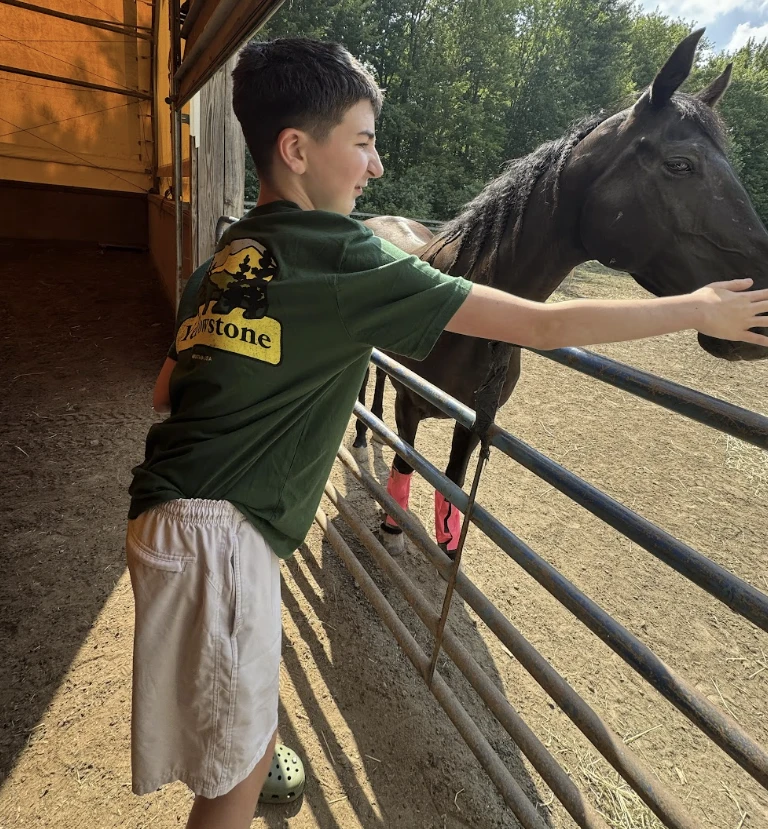
A student reaches over the fence to pet a dark horse at Willow Farms

Hands-on horse experiences

Students have opportunities to care for, groom, exercise, and ride horses, with participation matched to individual needs and appropriate safety supports.

These experiences provide engaging ways to practice following routines, communicating, and taking responsibility while building confidence around animals.

Horticulture and nature exploration

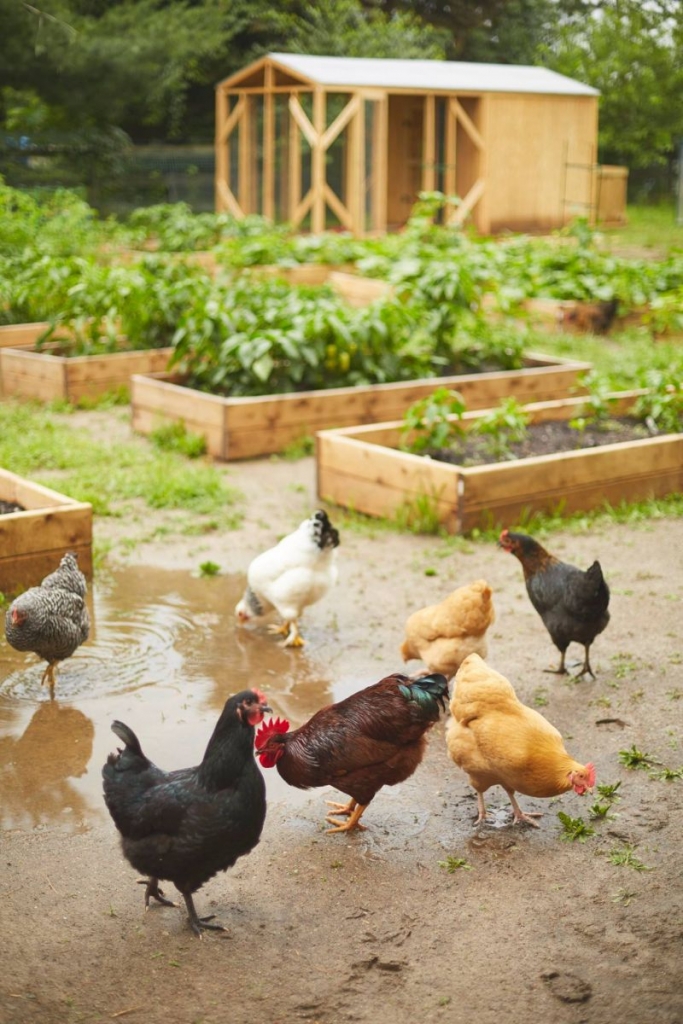
Planting and garden care help students connect effort with visible results. Activities create opportunities to practice sequencing, tool use, patience, and problem-solving.

Nature exploration also supports movement, curiosity, and the discovery of enjoyable leisure interests.

Personal finance

Students practice understanding costs, planning purchases, and making spending choices. Activities connect practical math with everyday decisions while encouraging students to express preferences and ask for assistance when needed.

Community participation

Community-based experiences provide opportunities to practice communication, safety awareness, decision-making, and everyday routines beyond the farm.

Students learn to identify the support they need and participate more confidently in different settings.

1:2–3

Individualized support throughout the day.

Willow Farms provides a 1:2–3 staff-to-student ratio, depending on student needs, allowing for personalized guidance during hands-on learning, daily routines, and community activities.

Tasks can be adapted through visual directions, communication tools, modified materials, and individualized teaching strategies.

Our goal is to provide the support each student needs to participate while creating opportunities to take on greater responsibility as skills develop.

Related services

Communication, creativity, and specialized services.

Preparing for adult life includes finding ways to express yourself, connect with others, and participate in activities you enjoy.

At Willow Farms, creative experiences and related services complement practical learning.

  • Music therapy

    Music-based experiences support individualized goals involving communication, expression, engagement, and social connection.

  • Art classes

    Art encourages creativity, choice-making, and exploration. Students have opportunities to discover interests, make decisions, and take pride in their work.

  • Speech-language services

    A speech-language pathologist supports communication and self-advocacy, including expressing preferences, requesting assistance, and interacting with others.

  • Occupational therapy

    An occupational therapist supports daily living skills, sensory needs, motor development, and participation in practical and vocational activities.

Educators and specialists collaborate to connect these supports with the student’s day. Services are individualized according to each student’s needs and educational plan.

Work and adult life

Exploring possibilities for work and a fulfilling life.

Vocational readiness begins with understanding what a student enjoys, what they do well, and which supports help them succeed.

These experiences help students, families, and their teams better understand potential interests and appropriate future environments.

A fulfilling adult life also includes leisure, relationships, and belonging. Cooking, animals, gardening, art, music, and community experiences help students discover meaningful ways to spend their time and connect with others.

Through practical activities, students can develop work habits such as:

  • Beginning a task and following a sequence.
  • Using materials and equipment appropriately.
  • Working alongside others.
  • Asking for clarification or assistance.
  • Following through on responsibilities.
  • Cleaning up and caring for a workspace.
  • Communicating preferences and support needs.

You don’t have to navigate the transition alone.

Our dedicated transition team helps families explore adult placement options and prepare for the move into adult services and settings.

We work with students and families to understand their goals, interests, and support needs. The team assists with identifying potential options, connecting with prospective adult providers, and coordinating next steps with involved professionals, as appropriate.

Transition planning connects the skills students practice at Willow Farms with the settings and opportunities they may encounter next.

Adult placement depends on individual eligibility, provider availability, funding, and program fit. Our role is to help families understand and navigate that process.

What a day at Willow Farms can include

Each student’s schedule is individualized. Activities may vary with educational goals, weather, seasons, and animal-care needs.

  1. Planning the day

    Review a schedule, make choices, organize materials, and prepare for responsibilities.

  2. Kitchen activities

    Follow a recipe, measure ingredients, prepare food, and clean up.

  3. Daily living routines

    Do laundry, organize belongings, clean up after activities, and maintain shared spaces.

  4. Animal and horse care

    Follow supported routines, communicate, use safe work habits, and complete tasks.

  5. Garden and outdoor activities

    Practice sequencing, tool use, problem-solving, and care for the environment.

  6. Creative learning and related services

    Develop expression, communication, motor skills, and participation.

  7. Community and personal finance activities

    Practice purchases, safety, decision-making, and self-advocacy.

  8. Reviewing accomplishments

    Reflect on completed work, express preferences, and prepare for the next day.

Is Willow Farms the right next step?

Willow Farms may be appropriate for a student who:

  • Needs additional preparation before entering an adult setting.
  • Benefits from hands-on learning and practical routines.
  • Is developing communication, daily living, and vocational skills.
  • Needs individualized support to participate in activities.
  • Would benefit from exploring interests through meaningful responsibilities.
  • Needs assistance planning for adult services or placement.

A visit and a review of the student’s educational needs, transition goals, age eligibility, and available funding help determine program fit.

Families and school districts as partners.

Families bring essential knowledge about a student’s strengths, needs, and hopes for the future. Referring districts and other involved professionals contribute educational history and transition-planning information.

We welcome that collaboration. Together, we discuss goals, share information about progress, and prepare for the student’s next steps.

During enrollment, our team explains communication methods, educational planning, and how families participate in the transition process.

Admissions and funding

We welcome inquiries from families and school districts throughout the year.

Our admissions process includes a conversation about the student, an opportunity to visit, review of relevant educational and transition records, and discussion of program fit, eligibility, availability, and funding.

Funding arrangements vary by student and placement. Our team explains applicable options and anticipated costs before enrollment.

Come see learning with a practical purpose.

Visit Willow Farms, meet our team, and explore how hands-on experiences can help your student prepare for adult life.

Tell us where they are now and what you hope comes next. We’ll help you understand whether Willow Farms may be an appropriate fit.

Where We Are

Willow Farms
7457 Lewis Road
Olmsted Township, Ohio 44138
Get Directions

Serving families throughout Greater Cleveland and Northeast Ohio.