

STEPS Academy

The support to participate. Opportunities to grow.

Individualized education for students ages 3–22 diagnosed with autism or related developmental differences.

STEPS Academy crest

Your child deserves a school that recognizes their strengths, understands their support needs, and creates opportunities for meaningful learning.

At STEPS Academy, we provide specialized education for students who benefit from more intensive, consistent support throughout the school day. Individualized academics, communication development, related services, and positive behavioral strategies help students participate, connect with others, and build everyday independence.

Our approach is person-centered and grounded in relationships. We get to know your child, identify what helps them learn, and build on their interests and abilities.

STEPS Academy is an Ohio chartered nonpublic school.

More support opens opportunities for learning.

Some students need frequent guidance, adapted instruction, communication tools, or individualized behavioral and sensory supports to participate in school.

  • At STEPS Academy, classrooms provide one staff member for every two or three students, depending on student needs. Teachers, intervention specialists, and classroom support staff work together to adapt activities and provide guidance throughout the day.

  • That support may help a student communicate a choice, begin a lesson, join a shared activity, manage a transition, or complete a daily routine.

  • We provide assistance where it is needed while creating opportunities for students to practice skills and do more for themselves.

Everyday learning

Education built around your child.

Each student’s Individualized Education Program (IEP), current skills, and learning needs guide instruction and related services.

Our team uses adapted materials, individualized teaching strategies, visual supports, and meaningful practice to help students work toward their goals. Student interests help make lessons engaging and relevant.

Goals reflect the individual student. We recognize that independence can include using accommodations, communication tools, and appropriate assistance.

Programming may address:

  • Academic learningLiteracy, math, and other academic skills taught at an appropriate level and pace.
  • Language and communicationExpressing needs, sharing ideas, making choices, and understanding others.
  • Social connectionParticipating in shared activities and developing relationships.
  • Daily livingPracticing self-care, organization, and familiar routines.
  • Motor skillsDeveloping abilities that support classroom tasks, movement, and everyday participation.
  • Emotional regulationRecognizing needs, communicating distress, and accessing helpful supports.
  • Art and musicExploring creativity, expression, and personal interests.
  • Leisure and recreationDiscovering enjoyable activities and ways to participate.
  • Pre-vocational and vocational skillsPracticing responsibilities and work habits.
  • Self-advocacyExpressing preferences, asking for help, and taking part in decisions.
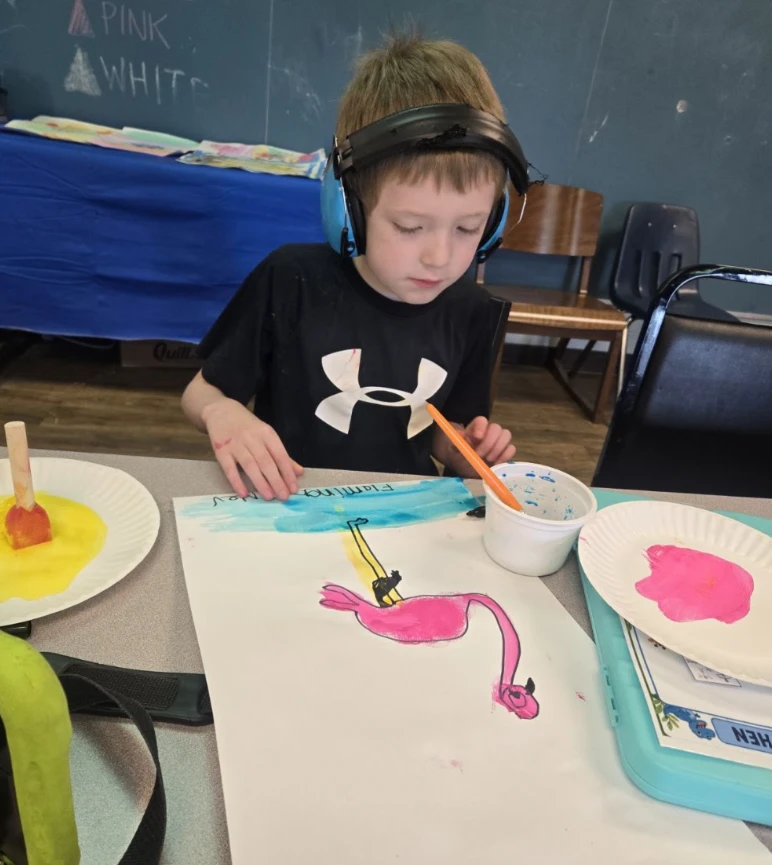
  • A student wearing ear protection paints a pink flamingo at an art table
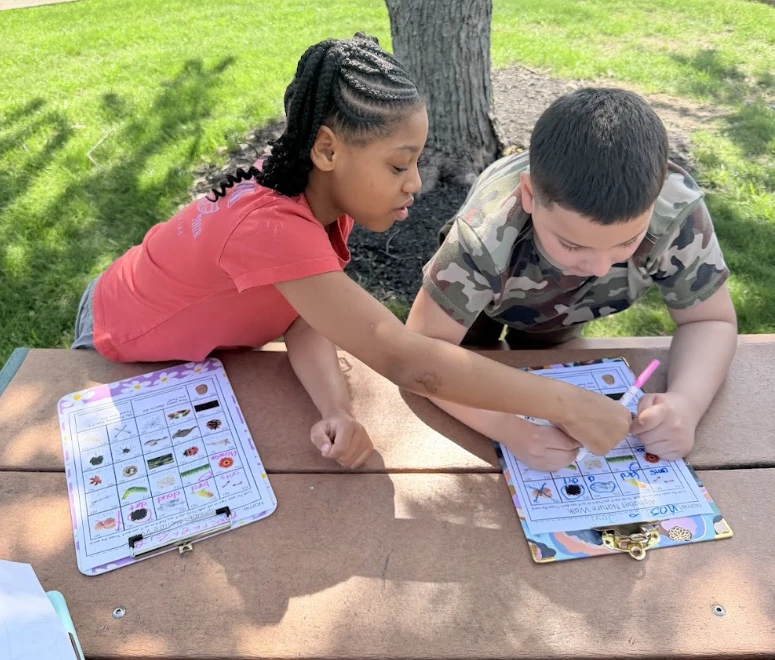
  • Two students work together on nature-walk checklists at an outdoor picnic table
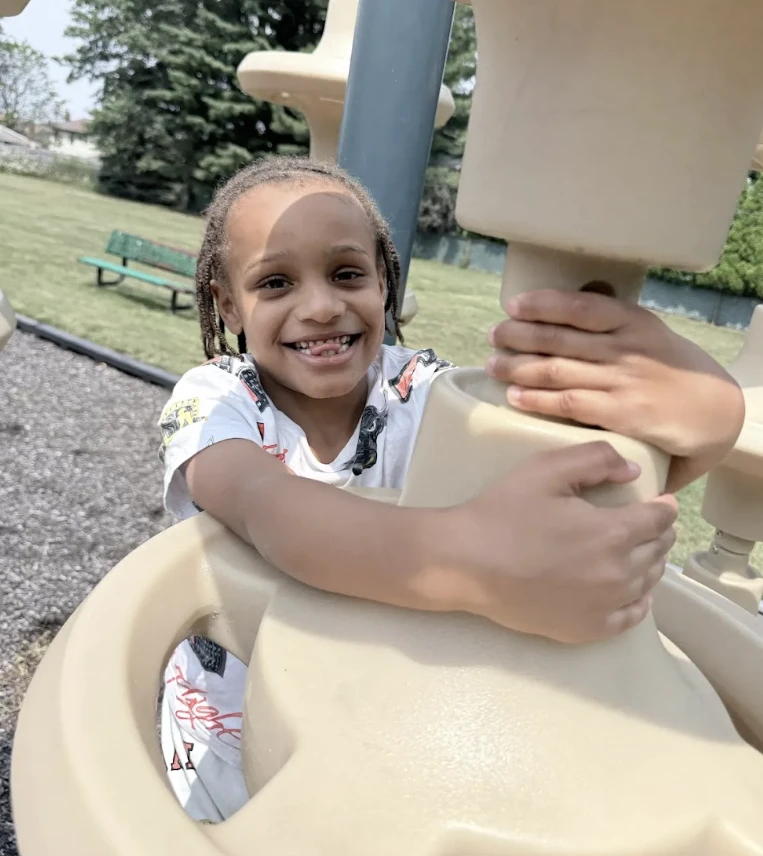
  • A smiling student plays on the playground
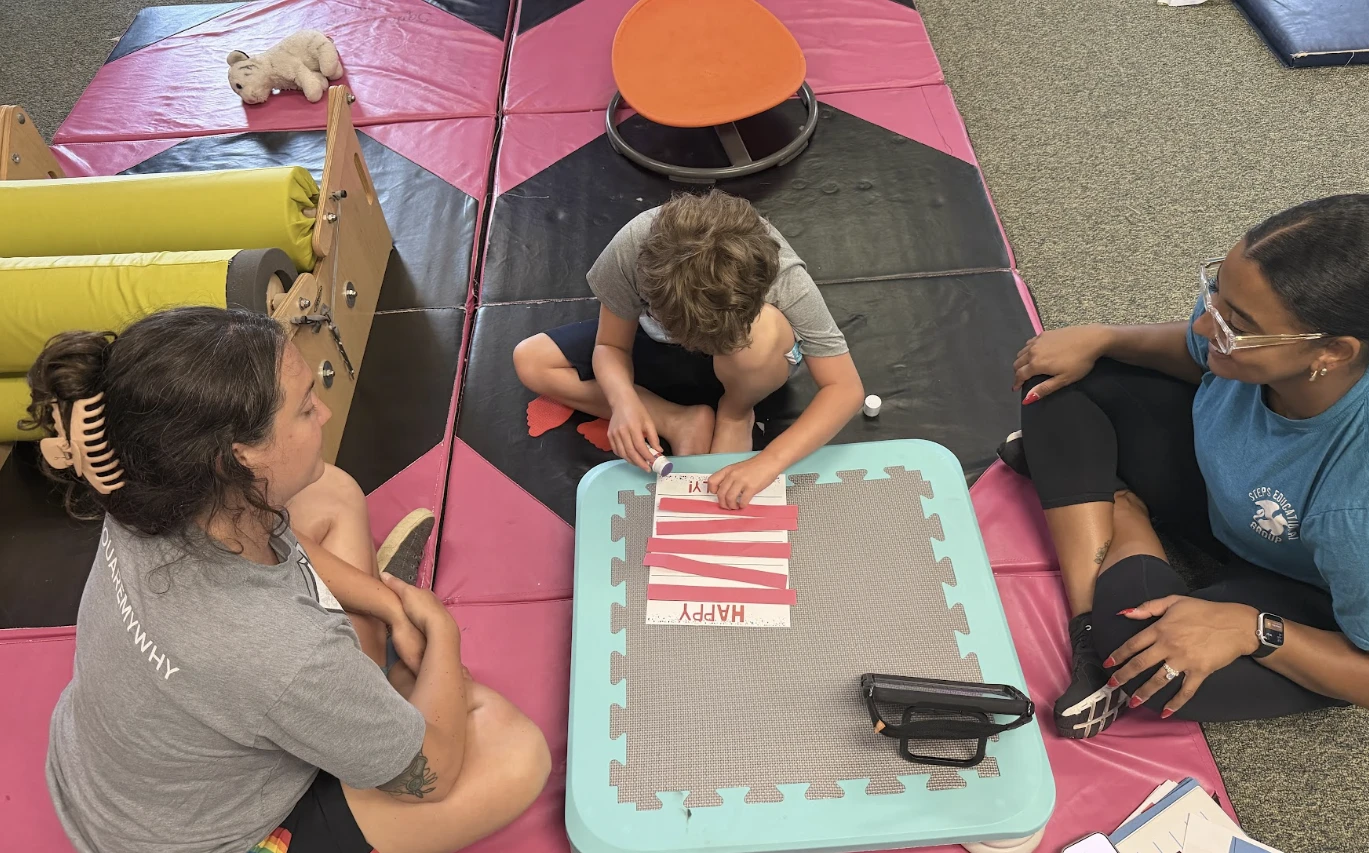
  • A student works on a craft at a low table in the sensory room with two staff members

Communication is part of every school day.

Communication creates opportunities to learn, connect, and take an active role in daily life.

Whether your child uses speech, gestures, signs, pictures, or a communication device, we support effective ways to express needs, make choices, ask questions, and share interests.

Practice happens throughout the day—in lessons, play, meals, peer activities, and daily routines. Educators and speech-language professionals collaborate to connect communication support with classroom experiences.

Positive support for participation and well-being.

When a student experiences difficulty, we work to understand what may be contributing and what support or skill could help.

Predictable routines, visual schedules, adapted environments, and individualized strategies help students navigate their day. Staff teach communication, coping, and other useful alternatives to behaviors that interfere with learning.

We pair caring relationships with clear expectations and consistent guidance, attending to each student’s dignity, sensory needs, and ways of communicating.

Our team

A team that brings specialized support together.

Our educators and specialists connect each student’s educational goals with practical opportunities to learn.

  • Teachers and intervention specialists

    Plan and adapt instruction, guide classroom learning, and monitor progress toward educational goals.

  • Associate teachers and classroom support staff

    Provide guidance during lessons, transitions, activities, and daily routines, helping students participate and practice skills.

  • Speech-language pathologists

    Support speech, language, social communication, and augmentative and alternative communication (AAC), including communication devices when appropriate.

  • Occupational therapists

    Address sensory needs, motor development, self-care, and participation in classroom activities and daily routines.

  • Music therapists

    Use music-based experiences to support individualized goals involving communication, expression, engagement, and connection.

  • Board Certified Behavior Analysts

    Develop and oversee individualized behavioral strategies that support communication, participation, and access to learning.

  • Registered Behavior Technicians

    Help implement individualized behavioral supports under BCBA supervision.

Services and supports are individualized according to each student’s needs and IEP.

What learning can look like throughout the day.

Every student’s schedule is different. These examples show how instruction and support can connect across the school day.

  • Arrival and preparation

    Follow a visual schedule, organize belongings, communicate needs, and prepare for activities.

  • Individualized academics

    Practice literacy, math, and other educational goals through adapted lessons and materials.

  • Related services and skill practice

    Work on IEP goals with specialists and apply strategies in classroom routines.

  • Shared activities

    Communicate with peers, take turns, explore interests, and participate with support.

  • Meals and daily routines

    Make choices, request assistance, practice self-care, and care for personal materials.

  • Art, music, movement, and recreation

    Explore interests, express ideas, and develop enjoyable ways to participate.

  • Practical and transition learning

    Practice responsibilities, daily living skills, and age-appropriate preparation for future settings.

Activities, service schedules, and levels of assistance reflect each student’s educational plan.

Families are part of the educational team.

Your knowledge of your child helps us understand what works, what is challenging, and which goals matter most.

We share information about classroom learning, participation, successes, and concerns. Progress reporting connects those experiences with your child’s IEP goals, helping families understand developing skills and areas that need continued support.

Families can share observations, ask questions, and discuss strategies with their child’s team. During enrollment, we explain communication methods, reporting schedules, and opportunities for meetings so you know how to stay connected.

We also collaborate with referring school districts and other authorized professionals, as appropriate.

Preparing for the next stage.

As students grow, their educational goals evolve.

We help students develop practical skills through individualized transition planning, vocational learning, and community-based experiences appropriate to their needs and goals.

Students have opportunities to explore interests, practice responsibilities, communicate preferences, and develop greater independence. Planning considers the student’s strengths, support needs, and goals for the future.

When appropriate, families can also explore Willow Farms, STEPS’ transition-focused program bridging school and adult settings.

Explore Willow Farms

Educational support and clinical ABA

STEPS Academy provides educational programming guided by the student’s IEP. School-based behavioral support and related services are part of that educational plan.

STEPS Institute for Child Development, located within the Academy, provides separate clinical ABA services for children ages 3–11 diagnosed with autism or related developmental differences.

For children receiving both services, teams can coordinate strategies with appropriate consent. Clinical ABA requires separate intake, assessment, treatment planning, and coverage review.

Learn About STEPS Institute

Admissions and funding

We welcome inquiries from families and school districts throughout the year.

The admissions process includes a conversation about your child, an opportunity to visit, review of relevant educational records, and discussion of program fit, availability, and funding.

For eligible students, educational funding options may include the Ohio Autism Scholarship Program, Jon Peterson Special Needs Scholarship Program, or school district placement arrangements. Our team explains applicable options and anticipated costs before enrollment.

View the Admissions Process

Come see what support can make possible.

Visit STEPS Academy, meet our team, and talk about your child’s strengths, needs, and goals.

We’ll help you explore whether our educational setting is an appropriate fit and explain the next steps.

Where We Are

STEPS Academy
4040 Tamarack Drive
Parma, Ohio 44134
Get Directions

Serving families throughout Greater Cleveland and Northeast Ohio.